All Categories
Featured
Eliminating Stubborn Pet Odors from Alamo Family Rooms
Modern Carpet Maintenance Innovations in Tennessee


A Complete Guide to Hardwood Maintenance
Table of Contents
Use a manufacturer-approved cleaner when the flooring requires a deeper cleansing. Eliminating dirt before it grinds into the finish helps preserve the flooring with less work.

Solid hardwood, engineered wood and wood-look items have different care requirements. Even 2 hardwood floorings can require different items since their surfaces aren't the same.
Use the item as directed rather than assuming a stronger concentration will clean up much better. Active ingredients that appear moderate can impact a finish over time.
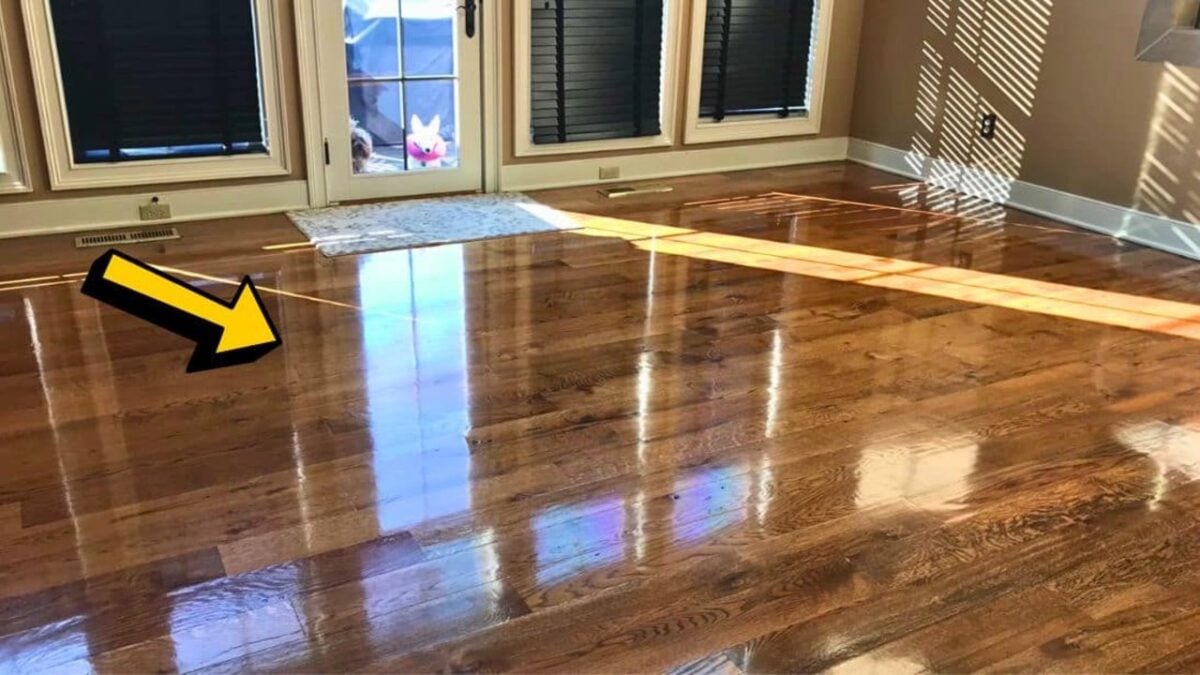
Test any approved cleaner in a little, unnoticeable area initially if you're unsure about how the surface will react. Water and wood floor covering don't blend well when wetness is enabled to sit. Excess water can get in joints, affect the finish or add to swelling and discoloration. Use a gently moistened mop instead of a soaking-wet one.
Effective West TN Real Estate Floor Care
Avoid using bleach, ammonia, abrasive scrubbers or other severe items unless the floor covering maker specifically approves them. Steam introduces heat and moisture into the flooring, including along joints and joints.
Preventive care minimizes the amount of cleansing and repair a wood flooring requirements. Location mats at entrances to catch grit before it reaches the floor.
Examine the floor covering manufacturer's assistance before choosing a rug pad. Utilize a nonstaining pad recommended for the flooring.
Why Professional Floor Care Matters for Value
Pads can use down or collect grit that scratches the floor when furnishings moves. Never drag heavy furniture throughout hardwood. Raise it or use moving devices designed to protect the flooring. Spills are simpler to handle before they spread or soak into joints. Blot the liquid with a tidy, absorbent fabric instead of rubbing it throughout a bigger location.
Dry the location completely when finished. Withstand the urge to scrape the floor with a sharp tool or use a more powerful chemical.
Surface area cleansing may not address moisture that has actually reached the wood or subfloor. Regular cleaning is also an opportunity to check the floor.
Deep scratches that expose bare wood need more attention due to the fact that the protective layer has actually been broken. Sunlight can likewise alter the color of wood with time. Window coverings might help in reducing direct exposure. Moving rugs and furniture sometimes can encourage more even color changes, but owners need to follow producer guidance before placing or relocating flooring.
Comparing the location in time makes it simpler to inform whether the issue is stable or worsening. Routine care can secure wood, however it can't fix every problem. Refinishing or repair becomes appropriate when wear reaches beyond what normal cleansing can attend to. A floor covering professional should examine prevalent surface loss, deep scratches, water damage, loose boards or considerable discoloration.
Professional Advice for Floor Longevity
Some floorings can be evaluated and recoated to revitalize the protective surface. Engineered wood can have limits on how much sanding it can tolerate, depending on the thickness of its real-wood wear layer.
Floor Care Education GuidesDo not wait till exposed wood or moisture damage spreads. The most efficient hardwood flooring care isn't made complex.

Latest Posts
Eliminating Stubborn Pet Odors from Alamo Family Rooms

Readying Your Floors for the 2026 Market

Modern Carpet Maintenance Innovations in Tennessee